
Planning the Big One: Where to Start When You Are Producing a Major Event in Miami
Producing a major event in Miami is an exciting challenge that requires meticulous planning from day one. Understanding the initial steps and assembling the right team are critical for success.
Producing a major event in Miami is an exciting challenge that requires meticulous planning from day one. Whether you are envisioning a large-scale music festival, a high-profile corporate convention, a significant sports event, or an elaborate gala, the foundation for success is laid long before any equipment arrives on site. For smart clients, understanding where to begin and who to engage is paramount to transforming a vision into a flawlessly executed reality.
Defining Your Vision and Scope
The very first step in producing any major event is to crystallize your vision. What is the core purpose of this event? Who is your target audience? What experience do you want to create for them, and what are your measurable objectives? These foundational questions will guide every subsequent decision, from venue selection to the intricate technical requirements. Consider the scale: are we talking about a multi-day festival drawing tens of thousands, a focused convention with keynote speakers and breakout sessions, or a broadcast-quality production? Each type of event presents its own unique set of logistical and technological demands. For instance, a concert series will have vastly different audio and lighting needs compared to a corporate event relying heavily on clear presentations and interactive video walls.
Your vision must encompass the desired aesthetic and emotional impact. Will it be an immersive experience, or a sleek, professional presentation? This initial definition phase is where you start to consider the environmental factors unique to Miami – outdoor event considerations, access to diverse venues, and the local permitting landscape. Don't underestimate the complexity of bringing diverse elements together into a cohesive whole; the clarity of your initial vision will be the bedrock for your production team.
Assembling Your Core Production Team
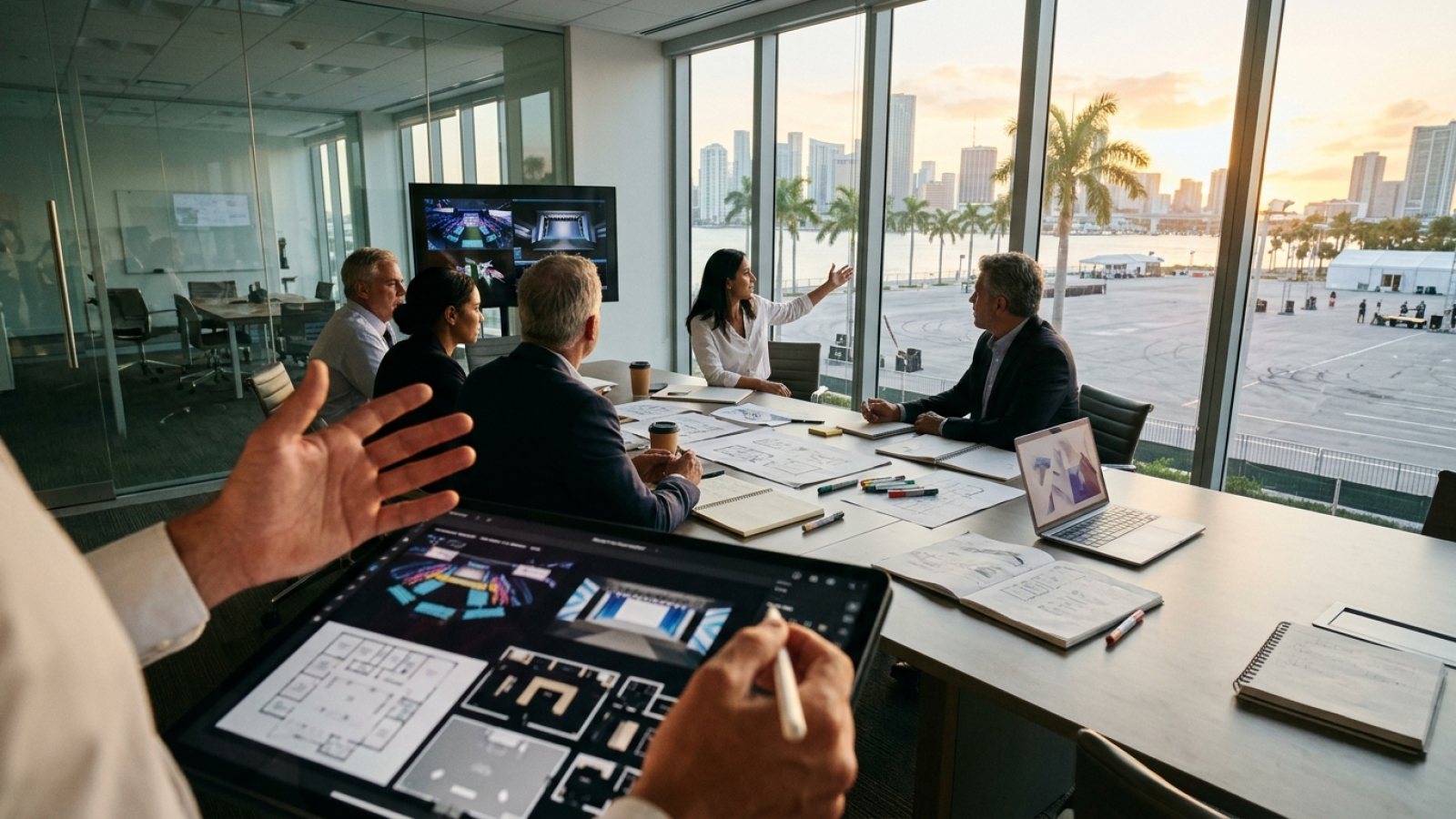
Once you have a clear vision, the next critical step is to bring in the right experts. This isn't just about hiring vendors; it's about building a core production team that can translate your vision into a practical plan. Start with a dedicated Producer and a seasoned Production Manager. The Producer oversees the entire project, from creative direction and budget management to securing sponsors and stakeholders. They are your primary point of contact for the big picture.
The Production Manager is the operational mastermind, responsible for the practical execution of the Producer's vision. They manage schedules, logistics, budgets, and all vendor relations, ensuring that every piece of the puzzle fits together perfectly. Following closely, you will need a skilled Technical Director. This individual is the bridge between the creative vision and the technical reality. They will assess the feasibility of your ideas, design the technical systems (audio, lighting, video, rigging, staging), and oversee the installation and operation of all event technology. Engaging these key roles early means you benefit from their expertise from the conceptual stage, saving significant time and potential headaches down the line. They can advise on everything from venue suitability to realistic timelines and budget allocations before you commit to anything permanent.
The Technology Foundation for Impact
Event technology is not an afterthought; it is an integral part of the attendee experience and must be planned concurrently with the creative vision. Think about the audio clarity for speakers or performers, the immersive lighting design that sets the mood, and the impactful video content displayed on LED walls or projection screens. Consider a recent development: Boxoffice Pro reported that DLS & Bardan will supply a CineLEDMAX DCI LED screen to Miami’s iconic Tower Theater. This specific kind of advanced display technology exemplifies the type of strategic technical decision that can elevate an event, offering superior visual quality for film presentations or other high-definition content.
Beyond screens, a robust power distribution plan is non-negotiable for large-scale productions. Rigging considerations, especially in multi-purpose venues, determine what can be safely flown overhead. Staging design is crucial not just for aesthetics but also for performer safety and audience sightlines. If your event involves broadcast or livestreaming, dedicated video engineers and a comprehensive transmission strategy are essential from the outset. Early consultation with your Technical Director and specialized event technology vendors ensures that the necessary infrastructure, equipment, and skilled operators are secured. This proactive approach prevents last-minute scrambles and ensures that the technological backbone of your event is as strong and reliable as your creative vision.
Planning a major event in Miami is a complex undertaking, but by clearly defining your vision, assembling a strong core production team early, and integrating technology considerations from the start, you lay the groundwork for an unforgettable experience. Engage professionals early, ask detailed questions about their experience with similar events, and always seek comparable quotes for services. The foresight you exercise in these initial stages will be the single greatest determinant of your event's ultimate success.
