
Lighting a Show: From the Plot to the Console, and Why Designers Program Before Load-In
Lighting design is an intricate art form, transforming a blank stage into an immersive experience. Understanding the journey from the initial concept to the final, dynamic light cue is crucial for any event organizer.
A truly unforgettable live event isn't just about what you hear; it's profoundly shaped by what you see, and that's where exceptional lighting design takes center stage. Far more than simply turning on a few spotlights, modern event lighting is a highly technical and creative discipline that demands meticulous planning, from the earliest conceptual drawings to the final, executed light cue.
The Blueprint: From Concept to Lighting Plot
Every great lighting design begins with a comprehensive plan, meticulously crafted by the Lighting Designer (LD). This plan is materialized in what's known as the lighting plot—a highly detailed technical drawing that serves as the blueprint for the entire lighting system. This document specifies the type of every light fixture, its exact position on the truss or stage, its focus point, color choices, and often, critical technical information like dimmer numbers, data addresses, and power requirements. It’s a complex piece of engineering artwork, designed to communicate the LD's vision to the rigging, electrical, and lighting teams, ensuring everyone is working from the same precise instructions.
Bringing the Plot to Life: Programming the Console
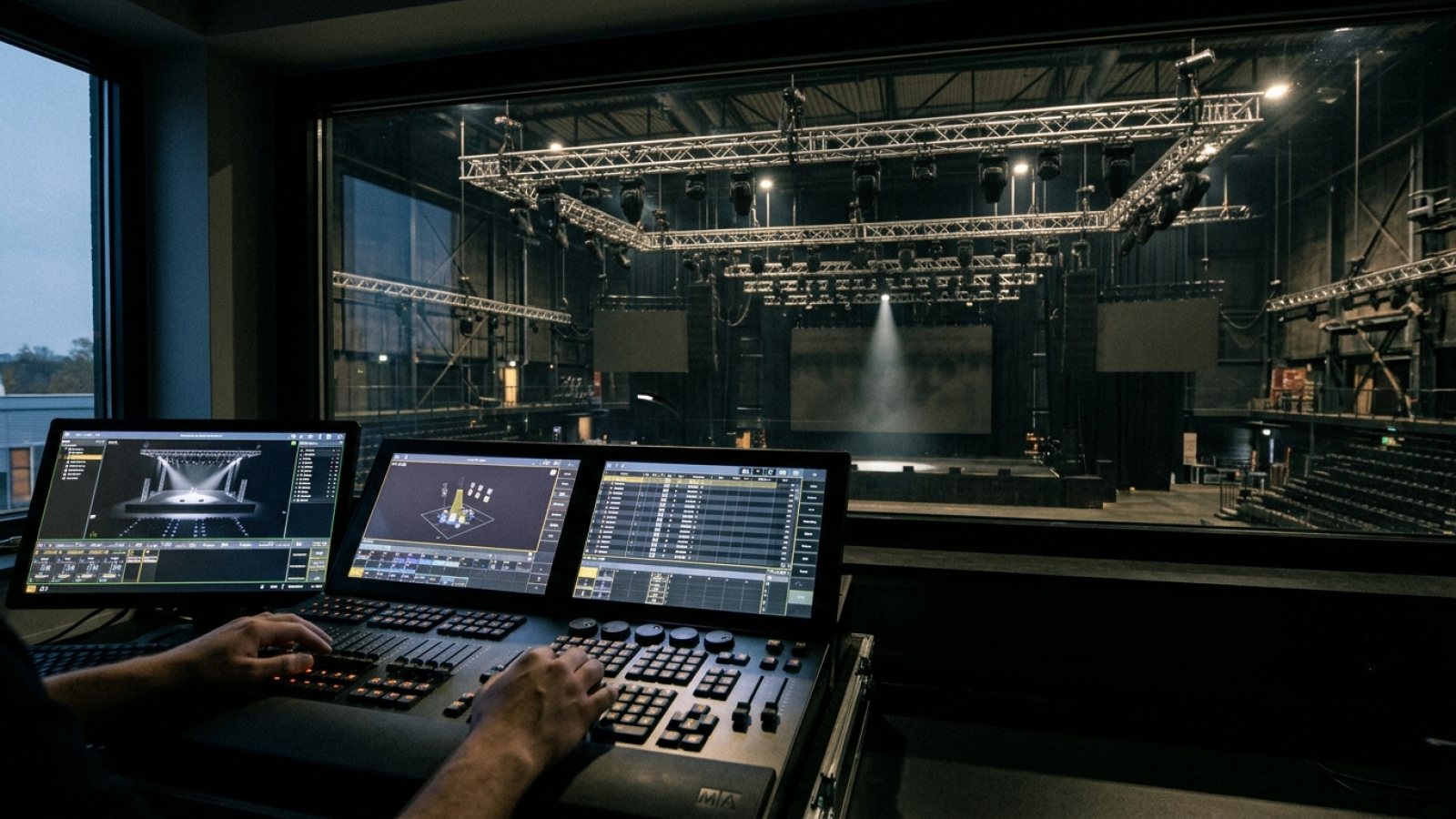
Once the lighting plot is complete and the equipment has been specified, the next phase involves translating that static blueprint into dynamic, timed cues that will play out during the event. This is where the lighting console, often referred to as the brain of the lighting system, comes into play. The LD or a dedicated Lighting Programmer uses the console to input and organize hundreds, sometimes thousands, of individual parameters for each light fixture. These parameters include intensity (how bright), color (often mixed using RGBW or CMY values), position (where the light is pointing), beam shape (using gobos or shutters), and movement (for automated fixtures). The programmer creates 'cues'—snapshots of desired light states—and sequences them together, often with precise timing, to match the performance, music, or overall flow of the show.
The Power of Pre-Programming
One of the most critical evolutions in modern lighting production is the widespread adoption of pre-programming. Instead of waiting until every light is physically installed on site, designers and programmers now spend countless hours off-site, working in a virtual environment. Using sophisticated visualization software, they can load the lighting plot, build a 3D model of the stage, and then program the entire show as if they were live on the console. This meticulous planning is especially critical for large-scale events like the recent GTA VI Festival that transformed Mana Wynwood, as reported by freeyork and Wallpaper*, where complex visual environments are key. Similarly, the scale of production for events like III Points, described by W Magazine, and the upcoming Ultra Music Festival 2027, noted by TicketNews, demands that lighting designs are meticulously programmed well before any gear arrives on site.
Pre-programming offers immense benefits: it saves invaluable time and money on site during load-in and technical rehearsals, allows for creative exploration without the pressure of a live clock, and helps identify potential design flaws or technical challenges long before they become expensive problems. It’s an investment that significantly streamlines the entire production process.
From Virtual to Reality: Load-in, Focus, and Refinement
When the actual load-in occurs, the physical rigging, cabling, and installation of lights are guided by the precise plot. The pre-programmed show file is then loaded into the physical console, and the team works to 'patch' the lights—ensuring the virtual console addresses match the actual fixture addresses. Next comes the 'focus' period, where each light is physically aimed and adjusted to match the positions programmed virtually. During technical rehearsals, the lighting designer and programmer fine-tune the cues in real-time, making adjustments for performers, set pieces, or unforeseen environmental factors. This refinement is crucial for shows that require dynamic and varied lighting, such as the "Lights, Boats & Holiday Magic" events mentioned by Out South Florida, where visual effects evolve constantly. Precision is paramount, especially when working around performers; for instance, any event involving stunts, like the one reported at a Chris Brown and Usher tour concert by USA Today, demands that lighting be integrated seamlessly and safely with every movement on stage.
From the initial concept sketched on paper to the intricate code within a console, and the essential step of pre-programming, the journey of lighting a show is a complex dance of art and technology. This structured approach ensures that every event, big or small, delivers a visually stunning, safe, and efficient experience for both the audience and the production team.
