
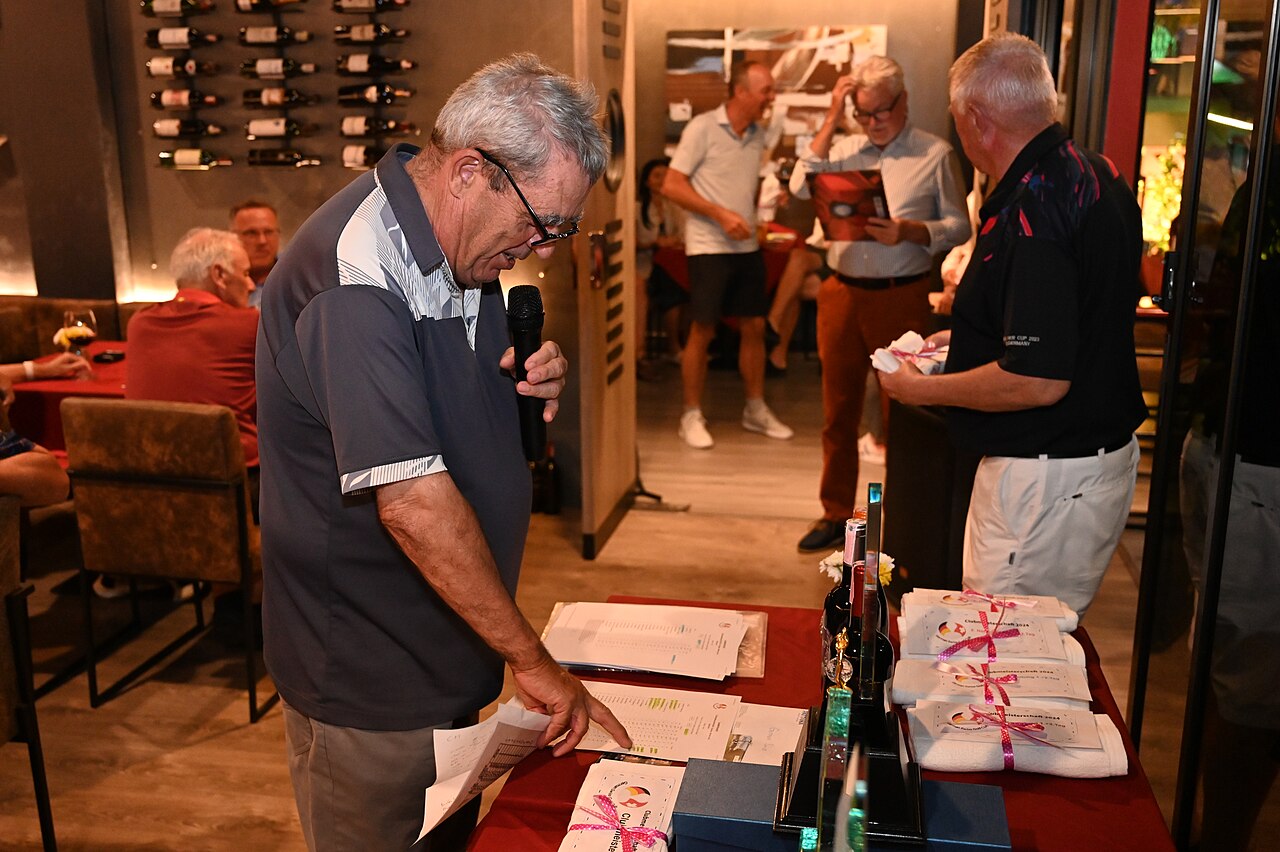
Dynamic or Condenser: Choosing the Right Mic for a Loud Event Room
Navigating audio capture in a noisy event space demands a clear understanding of your microphone options. This guide breaks down when to deploy a dynamic mic for its robust performance and when a condenser's detail can shine, even amidst the chaos.
Getting clean audio in a bustling event space is one of the trickiest parts of the gig. Ambient noise, PA bleed, audience chatter – it’s all competing for bandwidth with your talent’s voice. The first line of defense? Picking the right microphone for the job, and for a loud room, that often means a head-to-head between dynamic and condenser mics.
The Indestructible Workhorse: Dynamic Microphones
When you’re staring down a stage with monitors blasting, a drum kit pounding, or a crowd roaring, the dynamic microphone is often your best friend. These mics are built tough, designed to handle high sound pressure levels (SPLs) without distortion, and, critically, they are less sensitive to off-axis sound. That means they pick up what’s directly in front of them with authority and reject a lot of the surrounding noise.
Think about iconic models like the Shure SM58 or the Shure SM57. These are not just studio staples; they are the backbone of live sound. Their tight polar patterns, typically cardioid, help minimize feedback when your sound engineer is pushing gain into the PA system. For a lead vocalist, a loud panel discussion, or audience Q&A from the floor, a dynamic mic ensures you’re capturing the source and not the room’s echo or the clinking glasses.
Rigging a dynamic mic is straightforward. Mount it on a sturdy stand – preferably one with a heavy base or a boom arm that can extend without tipping. Position it close to the speaker’s mouth, often within two to six inches, to leverage the proximity effect and maximize gain before feedback. Always do a quick line check with the talent, adjusting gain on your audio interface or mixer to ensure a healthy signal without clipping.
The Detailed Performer: Condenser Microphones
Now, a condenser microphone brings a different flavor to the table. These mics are known for their extended frequency response, detail, and sensitivity. They capture the nuances of a voice or instrument with incredible fidelity, which is why they are indispensable in studio recording, for delicate acoustic instruments, or in controlled podcast environments.
The catch? That sensitivity is a double-edged sword in a loud event room. A condenser mic will pick up everything – the crisp highs of a speaker’s voice, but also every cough from the audience, every rumble from the air conditioning, and every bit of PA bleed. In a truly raucous environment, that can quickly lead to a muddy mix or, worse, feedback loops that can ruin a show.
However, there are scenarios where a condenser, carefully deployed, can still deliver. For a well-managed panel discussion in a room with decent acoustics, a high-quality condenser on a shock mount could capture the full vocal range. Or, for an overhead mic on a drum kit, or capturing room ambience in a strategic way. Remember, condensers require phantom power, usually 48V, supplied by your mixer or audio interface. Proper placement, often further from the source than a dynamic mic, is key, along with rigorous gain staging to find that sweet spot between signal and noise.
Form Factors and Emerging Solutions
The choice between dynamic and condenser also plays out across different form factors. For freedom of movement on stage or during a presentation, wireless microphones are invaluable. Industry outlets like MyChooz.com have been ranking the best wireless microphones, a category where both dynamic and condenser capsules can be found. A robust wireless dynamic mic system is often the call for energetic performers in loud venues.
For content creators and streamers, a different set of considerations comes into play. While most professional live event engineers favor XLR connectivity, USB microphones have become a cornerstone for home studios and smaller-scale livestreams. A recent report from Basic Tutorials highlighted the Shure MV6 Gen 2, a USB microphone designed for streamers and creators. While a mic like the MV6 Gen 2 is a great tool for a controlled environment, its condenser capsule and USB interface mean it’s typically better suited for capturing detailed audio in a quieter, dedicated space rather than a loud event hall.
For monitoring in noisy environments, especially for talent or crew, noise-canceling headphones or high-quality in-ear monitors are essential. Reports from MyChooz.com on the best noise-canceling headphones, and rankings of wireless earbuds, including those with excellent microphones from MyChooz.com, underscore the importance of isolated listening. Crew members often rely on robust headphones from brands highlighted by outlets like Macworld to hear comms clearly over stage noise.
Making the Call: The Space Dictates the Gear
Ultimately, the decision between a dynamic and a condenser microphone for a loud event room boils down to the specific environment, the sound reinforcement goals, and the proximity to the source. If the room is acoustically challenging, if there’s a lot of stage volume, or if the mic will be used by multiple presenters with varying mic technique, a reliable dynamic mic will almost always be the safer, more practical choice. It offers excellent isolation, feedback rejection, and rugged durability, making it forgiving in less-than-ideal conditions.
However, if you have a controlled environment – perhaps a quiet corner for an interview during a larger event, or a panel where speakers are trained in mic discipline – a condenser can offer a richer, more detailed sound. Just be prepared to put in the work with placement, gain structure, and potentially acoustic treatment to manage its sensitivity.
Always test your setup rigorously in the actual space, under conditions as close to the event as possible. This includes sound checks with talent, pushing gain to expected levels, and walking the stage to identify potential feedback points. The best gear in the world won’t save a show if it’s not properly matched to the environment and thoroughly tested.
